
From Serfdom to Unfinished Emancipation
The PeasantsThis thematic thread traces the historical legacy of peasant emancipation and the continuing economic and political subordination of villagers.
increasing Bearing strength in each event
 decreasing
Bearing strength in each eventdecreasingA Past of Serfdom
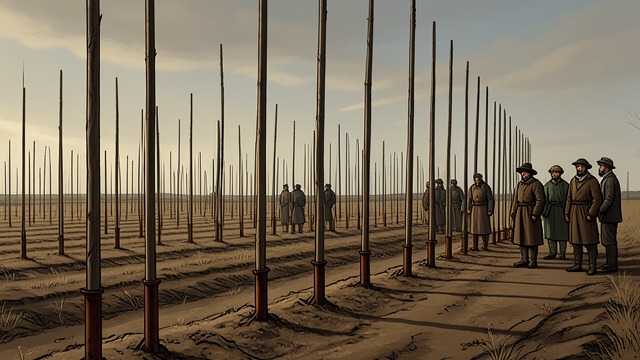
A Past of Serfdom
Land and obligation
The novel’s social world bears the legacy of serfdom, when peasants labored for landowners and possessed few rights.
Emancipation’s limits
Legal reform granted land to many villagers, but it did not erase poverty, hierarchy, or dependence on local power.
The Farmer’s Claim
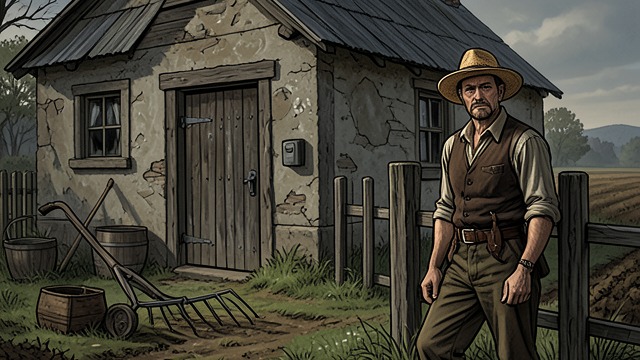
The Farmer’s Claim
Property as security
Maciej Boryna’s refusal to divide his holdings reflects the hard-won importance of land after emancipation.
Freedom within limits
The family owns land, yet children and laborers remain dependent on its owner’s decisions.
Customary Rights Contested
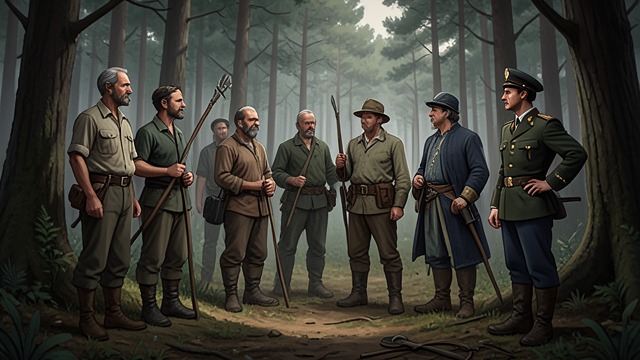
Customary Rights Contested
Old practices meet new rules
The dispute over forest and pasture rights reveals the gap between village custom and formal property arrangements.
Law favors leverage
The peasants’ claims are difficult to enforce against a manor and an administration backed by courts and police.
The State Intervenes
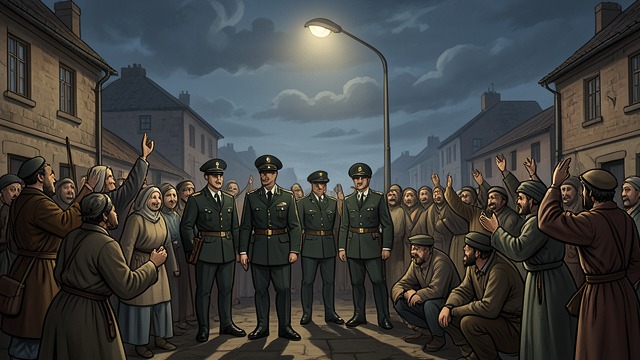
The State Intervenes
Arrests and orders
Gendarmes arrest villagers after the forest battle, while officials later press a school-tax vote on the commune.
Emancipation unfinished
Villagers can own land and elect local officers, but the state still controls policing, schooling, and legal outcomes.
A Political Class Not Yet Formed
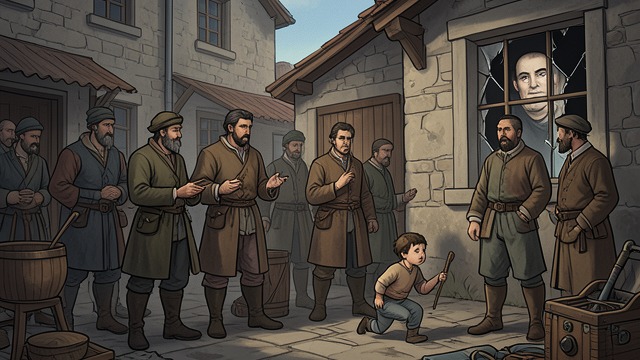
A Political Class Not Yet Formed
Potential without consolidation
Antek and Grzela voice resistance, yet the village remains divided by property, status, fear, and private interest.
Emancipation deferred
The peasants’ legal freedom has not yet become stable collective power or a shared political identity.
historical background
autumn
winter and spring
spring and summer
near the ending
